

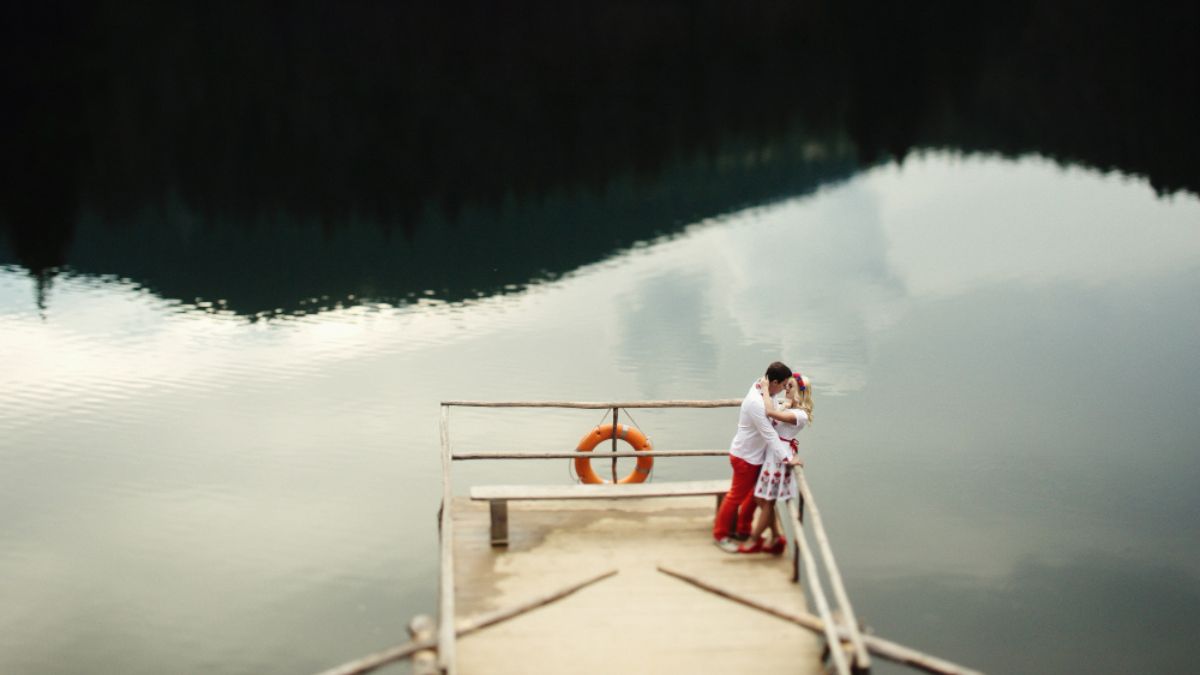
Veneajelu, If you’ve ever spent a summer in Finland, you’ve witnessed it. The lakes, an estimated 188,000 of them, cease to be mere geographical features. They become highways, backyards, and sanctuaries. And gliding across their mirror-like surfaces are the countless boats, from humble rowboats to elegant wooden motorboats. This is not just a hobby; it is a national pastime, a cultural touchstone, a state of mind known as Veneajelu.
To translate veneajelu simply as “boating” is to translate sisu as “grit” or sauna as “a hot room.” You get the basic mechanics, but you miss the entire soul. Veneajelu is an immersive experience, a slow, rhythmic dance with nature that is woven into the very fabric of Finnish summer. It is a pursuit that balances quiet contemplation with joyful social connection, all set against a backdrop of breathtaking, often silent, natural beauty.
This is a deep dive into the world of veneajelu. We’ll explore its cultural roots, the unspoken rituals that define it, the different types of boats that serve as floating homes, the quintessential destinations, and the profound sense of peace that can only be found with the gentle hum of an outboard motor and a thermos of coffee on the deck.
The Roots: Why are Finns So Drawn to the Water?
To understand veneajelu, one must first understand Finland’s relationship with water. The country is often called the “Land of a Thousand Lakes,” but that’s a dramatic understatement. With 188,000 lakes and a coastline scalloped by countless islands and archipelagos, water is not just present; it is dominant. For centuries, lakes were the primary means of transport, trade, and communication. Before roads carved their way through the forests, people traveled by boat. They fished from boats to feed their families. The water was a source of life, not just recreation.
This practical necessity evolved into a deep-seated love affair. After the long, dark, and isolating winter, the Finnish summer is a frenetic, glorious explosion of light and life. The sun barely sets, and Finns are driven outdoors to soak up every precious ray. The water becomes the stage for this summer celebration. It’s a place to thaw out, both physically and mentally.
Furthermore, the Finnish concept of jokamiehenoikeus, or “everyman’s right,” grants everyone the freedom to roam and enjoy nature, including its waterways. You can pilot your boat to a remote island, picnic on its shores, and even forage for berries and mushrooms, all without asking for permission. This legal and cultural freedom makes the entire archipelago and lake system a vast, publicly accessible playground. Veneajelu is the ultimate expression of this freedom.
The Vessels: From Saku to Swan – The Boats of Finland
The boat is the heart of the veneajelu experience, and the choice of vessel says a lot about the captain. They are not just machines; they are members of the family, often passed down through generations and maintained with meticulous care.
1. The Classic Wooden Motorboat (Puuvene):
This is the iconic image of Finnish veneajelu. Often restored from the 1950s, 60s, or 70s, these boats are masterpieces of craftsmanship. Brands like Buster, Terhi, and Wetter are household names. They are typically made of mahogany or plywood, with elegant, sweeping lines and a deep, throaty purr from an inboard engine. Owning a puuvene is a labor of love. It requires winter storage, varnishing, and constant upkeep, but the reward is a connection to history and an unparalleled sense of style on the water. A picnic in a classic wooden boat isn’t just a picnic; it’s a statement.
2. The Modern Day-Cruiser (Merikajuutta):
For many families, the modern fiberglass day-cruiser is the workhorse of veneajelu. With a small cabin, it offers shelter from a sudden rain shower, a place for the kids to nap, and storage for gear. These boats, from brands like Baltic Bay or Quicksilver, are practical, reliable, and equipped with modern navigation and safety features. They are the floating equivalent of a family car—comfortable, versatile, and ready for any adventure.
3. The RIB (Jähdytysvene):
The Rigid Inflatable Boat, or RIB, has surged in popularity. Its stability, unsinkability, and ability to handle choppier waters make it ideal for exploring the more exposed parts of the archipelago. It’s the choice for the more adventurous, those who want to zip between islands at a quicker pace or venture further out to sea.
4. The Humble Rowboat (Soutuvene):
Never underestimate the power of the simple rowboat. For many, this is where veneajelu begins. It is silent, slow, and forces a connection with the water that a motor cannot provide. It’s for fishing in a quiet cove, checking the nets, or just a gentle evening row as the midnight sun paints the sky. It is veneajelu in its purest, most meditative form.
5. The Sailboat (Purjevene):
While purjehdus (sailing) is its own discipline, it is a close cousin to veneajelu. Sailing in the Finnish archipelago is a unique challenge and joy, relying on the wind to navigate the intricate channels and skerries. It represents a different kind of harmony with nature, one dictated by the elements.
The Rituals: The Unspoken Code of Veneajelu
Veneajelu is governed by a set of rituals and an unwritten code of conduct. To participate is to understand and respect these traditions.
The Launching (Veneen lasku):
This is the ceremonial start of the summer. Usually around the Vappu (May Day) holiday, marinas and boat clubs become hubs of activity. Trailers line the ramps as boats are carefully lowered into the cold, spring water. It’s a social event filled with camaraderie, shared tools, and advice. The first trip of the year, often just a short circle around the harbor, is filled with a sense of anticipation and renewal.
The Coffee (Kahvi) and the Grill (Grilli):
If veneajelu has a holy trinity, it is boat, coffee, and sausage. A thermos of strong, black coffee is non-negotiable. The destination for any trip, no matter how short, is a suitable rock or island where you can fire up a portable gas grill and cook makkara (grilled sausages). The smell of grilling makkara over an open flame, mixed with the scent of pine and water, is the definitive aroma of a Finnish summer. It’s a simple meal, but in that context, it feels like a feast.
The Sauna-on-Sea (Sauna):
The ultimate veneajelu experience culminates in a sauna. Many summer cottages have a sauna built right on the water’s edge. The ritual is sublime: heat up in the wooden sauna, then run and plunge directly into the cool, refreshing lake or sea. This cycle of extreme heat and cold is a physical and mental reset, a feeling of pure, unadulterated vitality. For the more adventurous, a portable sauna can even be installed on a larger boat.
The Wave (Tervehdys):
On the water, a subtle, low wave from the steering wheel is the standard greeting between passing boats. It’s a sign of shared understanding, a silent acknowledgment that you are both participating in the same wonderful ritual. It’s a small but meaningful gesture of community.
Respect and Safety (Kunnioitus ja Turvallisuus):
The unwritten code demands respect. Respect for other boaters by minimizing your wake near smaller craft or the shore. Respect for nature by taking all your rubbish with you. Respect for the weather, which can change in an instant on open water. Finns are practical and safety-conscious; life jackets are worn without question, and boats are equipped with flares, VHF radios, and proper navigation lights.
The Destinations: A Chart for the Soul
The beauty of veneajelu is that the journey is often the destination. However, some spots hold a special place in the Finnish nautical heart.
1. The Archipelago Sea (Saaristo):
Located between mainland Finland and the Åland Islands, this is a boater’s paradise. It’s one of the largest archipelagos in the world, with over 40,000 islands and skerries. Navigating its narrow, marked channels (väylät) is a joy in itself. You can spend days hopping from one deserted islet to another, each with its own unique character. The town of Nauvo serves as a popular gateway, with its charming guest harbors and iconic bridge, Nauvon silta.
2. The Lake District (Järvi-Suomi):
This central region of Finland is a labyrinth of lakes, large and small. The Lake Päijänne, Saimaa, and Inari are vast inland seas offering endless exploration. Cruising through these calm, freshwater lakes, surrounded by dense forests, is a profoundly peaceful experience. The Saimaa ringed seal, one of the most endangered seals in the world, is a rare and magical sight for those who travel its namesake waters quietly and respectfully.
3. The Summer Cottage (Mökki):
For most, the ultimate destination of a veneajelu trip is the summer cottage. Over half a million cotties dot the Finnish coastline and lakeshores. These are humble, often rustic retreats without running water or electricity, designed for mökkielämä (cottage life). Arriving by boat is the only proper way to arrive. The boat becomes the cottage’s lifeline, the means to get supplies, visit neighbors, or simply go for an evening cruise to watch the sunset.
4. The Guest Harbor (Vierasatama):
For longer trips, a network of guest harbors provides safe haven for the night. These are more than just marinas; they are social hubs. You can refuel your boat and your body, get water, dispose of waste, and often enjoy a restaurant meal. Tying up in a guest harbor for the evening offers a chance to chat with fellow boaters, share stories, and admire each other’s vessels.
The Deeper Current: The Psychological Benefits of Veneajelu
Beyond the rituals and destinations lies the true magic of veneajelu: its profound impact on the human psyche. In our hyper-connected, always-on world, veneajelu offers a mandatory digital detox. There is no signal out on the water. Your only notifications are the cry of a seagull or the splash of a fish.
It forces you into a state of mindfulness. Piloting a boat, especially through a tricky archipelago, requires your full attention. You are reading the water, the charts, the markers. You are present. This focus crowds out the mental clutter of everyday life. The rhythm of the waves, the vastness of the sky, and the slow passage of islands create a natural meditation.
It also reconnects us with a slower, more elemental sense of time. A veneajelu trip is not measured in minutes, but in experiences: the time it takes to get to the first coffee rock, the duration of a swim, the slow fading of the light at midnight. It’s a reminder that we are part of nature, not separate from it. The feeling of the sun on your skin, the wind in your hair, and the cool water on your swim is a powerful sensory immersion that grounds and revitalizes.
For families and friends, it’s a crucible for quality time. On a boat, you are together, truly together. You work as a team to navigate, tie lines, and set up camp. The conversations are different, uninterrupted by screens. It’s where bonds are strengthened and memories are forged that last a lifetime.
The Challenges: It’s Not Always Smooth Sailing
To romanticize veneajelu completely would be dishonest. It comes with its own set of challenges, which, in a very Finnish way, are embraced as part of the experience.
The Weather (Sää): The Finnish weather is famously fickle. A calm, sunny morning can turn into a windy, rain-lashed afternoon in the blink of an eye. A good veneilijä (boater) is always watching the sky and listening to the forecast. Getting caught in bad weather is a rite of passage, a test of skill and sisu.
The Maintenance (Huolto): A boat is a “hole in the water you throw money into,” as the old saying goes. The winter storage, the engine servicing, the varnishing, the cleaning—it is a constant and often expensive labor of love. But for enthusiasts, this tinkering is part of the hobby, a way to stay connected to their vessel during the long off-season.
The Crowds (Väenpaljous): On a perfect summer weekend, the most popular routes and guest harbors can get crowded. Finding a secluded spot requires venturing further off the beaten path. Yet, even in a crowded harbor, there is a sense of shared purpose and quiet respect that maintains the peaceful atmosphere.
Your Guide to Getting Started with Veneajelu
Feeling inspired? You don’t need a vintage Buster or a captain’s license to start. Here’s how to dip your toes in the water.
-
Start Small: Rent a rowboat or a small electric motorboat from a lakeside rental service. Experience the simple joy of being on the water.
-
Take a Course: In Finland, a boat license (veneilijän tutkinto) is required for motors over a certain horsepower. The course is comprehensive, covering navigation, rules of the road, and safety—an invaluable investment.
-
Go with Friends: The best way to learn is from experienced boaters. Accept an invitation to join a trip. See the rituals firsthand.
-
Charter a Boat: For a more immersive experience, charter a boat for a weekend. Many companies, especially in the archipelago, offer this service, providing a fully equipped vessel for your adventure.
-
Embrace the Essentials: Pack a thermos of coffee, some sausages, a lighter, and a simple grill. Don’t forget a weatherproof jacket, even on a sunny day. And always, always have life jackets for everyone on board.
Conclusion: The Eternal Horizon
Veneajelu is more than a summer hobby; it is a cultural narrative of freedom, silence, and connection. It is the gentle putter of a motor echoing across a still lake at dawn. It is the taste of a grilled sausage eaten with sticky fingers on a sun-warmed rock. It is the shock of the cold water after a hot sauna and the deep, satisfying silence that falls over a boat as the engine is cut and you drift, listening to nothing but the lap of water against the hull.
In a world that prizes speed and noise, veneajelu is a testament to the power of slowness and quiet. It is a journey that is as much internal as it is external. It is the Finnish art of finding oneself by getting wonderfully, blissfully lost on the water. So, the next time you see a boat gliding across a Finnish lake, know that you are not just seeing a vessel on a journey from A to B. You are witnessing a centuries-old tradition, a meditation in motion, a perfect, fleeting moment of summer harmony. You are witnessing veneajelu.